


Choosing a pizza oven
What to know page pizzaoventhailand.com. Every business needs a different type of pizza oven, depending on its target customers and the kind of pizza it intends to offer. Italian refractory-brick pizza ovens give you greater flexibility and more options. In fact, if market demand forces you to change your pizza style, you'll be glad you don't have to change your oven as well!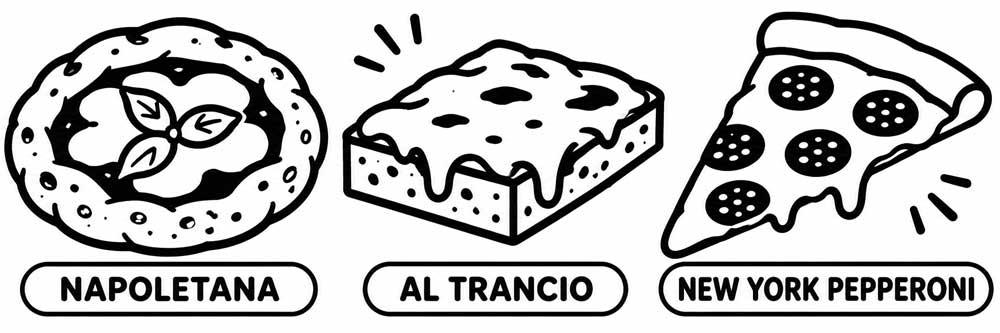
Read more to discover the full potential of our pizza ovens.
MORE
Different Italian pizza variations require completely distinct baking environments, baking temperatures, and thermal recovery times to achieve authenticity. Matching your exact Italian menu variation to the right specialized commercial equipment supplier in Thailand ensures proper execution:
1. Pizza Napoletana (Neapolitan)
And can I also obtain other kinds of commercially widespread pizza?
Yes, you can cook almost any style of pizza in a refractory brick dome oven.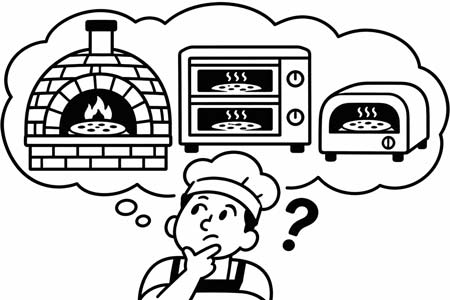
Because a refractory dome retains intense radiant heat from the brick mass while a gas burner or wood burning gives you flame control, you aren't locked into high-heat (400°C+) Neapolitan cooking. By adjusting the flames, moving the pizza closer to or farther from the fire, allowing the oven to preheat appropriately, and choosing the cooking surface (directly on the stone vs. using pans), you can master a wide range of international pizza styles.
1. Direct-on-Stone Styles (Lower Flame, Medium-High Heat)
For pizzas baked directly on the deck, simply reduce the gas flame after the floor is saturated with heat. This prevents the top from burning before the crust crisps up.
Refractory brick ovens hold heat for hours, turning into massive, steady radiant ovens—ideal for thick, pan-baked pizzas that need slower, even heat to cook the dough interior.
The high-heat dome environment is naturally suited for international flatbreads that share DNA with pizza:
Quick Tips for Switching Styles in a Gas Brick Oven
1. Pizza Napoletana (Neapolitan)
- The Style: Needs an extreme heat environment (top 400°C) to flash-bake the dough in maximum 90 seconds. The result is a soft, pillowy crust with "leopard-spotting" (charring) without drying out the interior crumb.
- The Oven Tech: Traditional heavy refractory brick domes or advanced electric decks explicitly rated for 500°C with biscotto stone floors (which prevent the bottoms from burning at extreme temperatures).
- Recommended Suppliers in Thailand:
- Pizza Oven Thailand
- Page: All the ovens available at Pizza Oven Thailand are suitable for it.
- The Style: Roman pizza comes in two major commercial variations: Pizza Tonda Romana (super thin, shatteringly crispy crust) and Pizza al Taglio (baked in long rectangular blue-steel pans, characterized by high hydration and an airy, crunchy crumb structure). They are baked at lower, controlled temperatures (280°C to 320°C) for 7 to 12 minutes.
- The Oven Tech: Modular electric deck ovens with highly precise, independent controls for top and bottom heating elements. This independent regulation is critical: a higher bottom heat is needed to drive heat through the heavy metal baking pans to crisp the base.
- Recommended Suppliers in Thailand:
- Pizza Oven Thailand
- Page: All the gas ovens available at Pizza Oven Thailand are suitable for it: Gas oven systems.
- The Style: A modern evolution of the Neapolitan pizza featuring a highly inflated, cavernous, and exceptionally large rim (canotto meaning dinghy). It relies on extremely high-hydration pre-ferments (like Biga or Poolish) and demands perfect heat distribution to puff the wet crust instantly.
- The Oven Tech: Heavily insulated electric or gas dome ovens that prevent micro-fluctuations in air temperature when the oven doors are opened frequently.
- Recommended Suppliers in Thailand:
- Pizza Oven Thailand
- Page: All the gas and electric ovens available at Pizza Oven Thailand are suitable for it: Gas oven systems and Electric pizza ovens.
And can I also obtain other kinds of commercially widespread pizza?
Yes, you can cook almost any style of pizza in a refractory brick dome oven.
Because a refractory dome retains intense radiant heat from the brick mass while a gas burner or wood burning gives you flame control, you aren't locked into high-heat (400°C+) Neapolitan cooking. By adjusting the flames, moving the pizza closer to or farther from the fire, allowing the oven to preheat appropriately, and choosing the cooking surface (directly on the stone vs. using pans), you can master a wide range of international pizza styles.
1. Direct-on-Stone Styles (Lower Flame, Medium-High Heat)
For pizzas baked directly on the deck, simply reduce the gas flame after the floor is saturated with heat. This prevents the top from burning before the crust crisps up.
- New York Style: Aim for a deck temperature around 280°C–320°C (535°F–600°F). Keep the flame very low so the bottom bakes into a crispy, foldable crust over 4–6 minutes without blistering like a Neapolitan.
- New Haven Apizza: Run the oven slightly hotter than NY style (330°C–370°C / 625°F–700°F) with a moderate flame to achieve its signature charred, chewy, thin crust.
- Roman Tonda (Scrocchiarella): Very thin, cracker-like crust rolled with a pin. Bake around 320°C–350°C with a low-to-medium flame until crisp all the way through.
- Argentinian Fugazzeta / Pizza al Molde (Thin/Medium): While traditional al molde uses pans, thinner Buenos Aires-style pizzas can be finished directly on the stone at medium heat to crisp the base under heavy cheese and onion toppings.
Refractory brick ovens hold heat for hours, turning into massive, steady radiant ovens—ideal for thick, pan-baked pizzas that need slower, even heat to cook the dough interior.
- Detroit Style: Bake in a blue steel pan at 250°C–280°C (480°F–535°F) with the gas flame on its lowest setting. The retained heat from the brick floor fries the dough in oil and caramelizes the Wisconsin brick cheese (or mozzarella/cheddar blend) along the edges.
- Sicilian (Sfincione) & Grandma Pizza: Bake in an oiled rectangular pan at moderate temperatures (240°C–270°C). If the top browns too fast from the dome's radiant heat, loosely tent the pan with foil for the first half of the bake.
- Chicago Deep Dish: Possible, though it requires the most temperature management. Let the oven cool down to 215°C–230°C (420°F–450°F) with the flame off or on embers pilot, and use a dark-colored deep dish pan to absorb floor heat over a 25–35 minute bake.
The high-heat dome environment is naturally suited for international flatbreads that share DNA with pizza:
- Turkish Lahmacun & Pide: Cook in 2–4 minutes at 350°C–400°C with a medium flame.
- Georgian Khachapuri (Adjaruli): Bake at 280°C–320°C on a low flame so the thick boat crust cooks through before cracking the egg in during the final minute.
- Alsatian Tarte Flambée (Flammekueche): Very thin dough with crème fraîche, onions, and lardons; cooks in 2–3 minutes at 350°C+ with a lively flame.
Quick Tips for Switching Styles in a Gas Brick Oven
- Manage Floor vs. Dome Heat: The biggest challenge with non-Neapolitan styles is the top burning before the bottom cooks. Always saturate the brick floor during preheating, then drop the flame to low right before launching the pizza.
- Use a Baking Screen or Pan: If your oven floor is too hot (e.g., you just finished making Neapolitan pizzas at 450°C and want to make a NY style), place the pizza on an aluminum pizza screen for the first 2–3 minutes to insulate the bottom from burning, then slide it directly onto the brick to finish crisping.
- Use a Door: Keep the oven door partially or fully closed (always leaving a small gap for oxygen) when baking pan pizzas at lower temperatures to trap ambient heat evenly.
IMPORTANT NOTE
Most of our refractory brick ovens can handle all the pizza styles and cooking methods described above. However, some smaller models, specially designed ovens, or other types of ovens we offer may have different performance capabilities. If you are unsure whether a particular oven is suitable for your needs, please consult us before making your choice.
For assistance, contact us at info@pizzaoventhailand.com.
For assistance, contact us at info@pizzaoventhailand.com.
THINK ABOUT YOUR BUSINESS TODAY, BUT ALSO TOMORROW
Choosing a pizza oven is not simply a matter of selecting a model, a fuel type, or a cooking temperature. It is an investment that can influence your business for many years.
Your menu may evolve, customer preferences may change, and your business may grow. You might start with traditional Neapolitan pizza and later introduce Roman pizza, New York style, or other variations. You may also decide to expand your menu with different baked products.
This is why versatility matters. A good professional oven should offer you the flexibility to explore different cooking possibilities without necessarily having to replace your equipment.
We believe that the right oven is not necessarily the biggest or most expensive one. It is the oven that best matches your actual needs and gives you the right possibilities for the future. Not sure which oven is right for your business? Tell us about your project, your expected production, and the kind of pizza you intend to serve. We will be happy to help you evaluate the most suitable solution.
We believe that the right oven is not necessarily the biggest or most expensive one. It is the oven that best matches your actual needs and gives you the right possibilities for the future. Not sure which oven is right for your business? Tell us about your project, your expected production, and the kind of pizza you intend to serve. We will be happy to help you evaluate the most suitable solution.